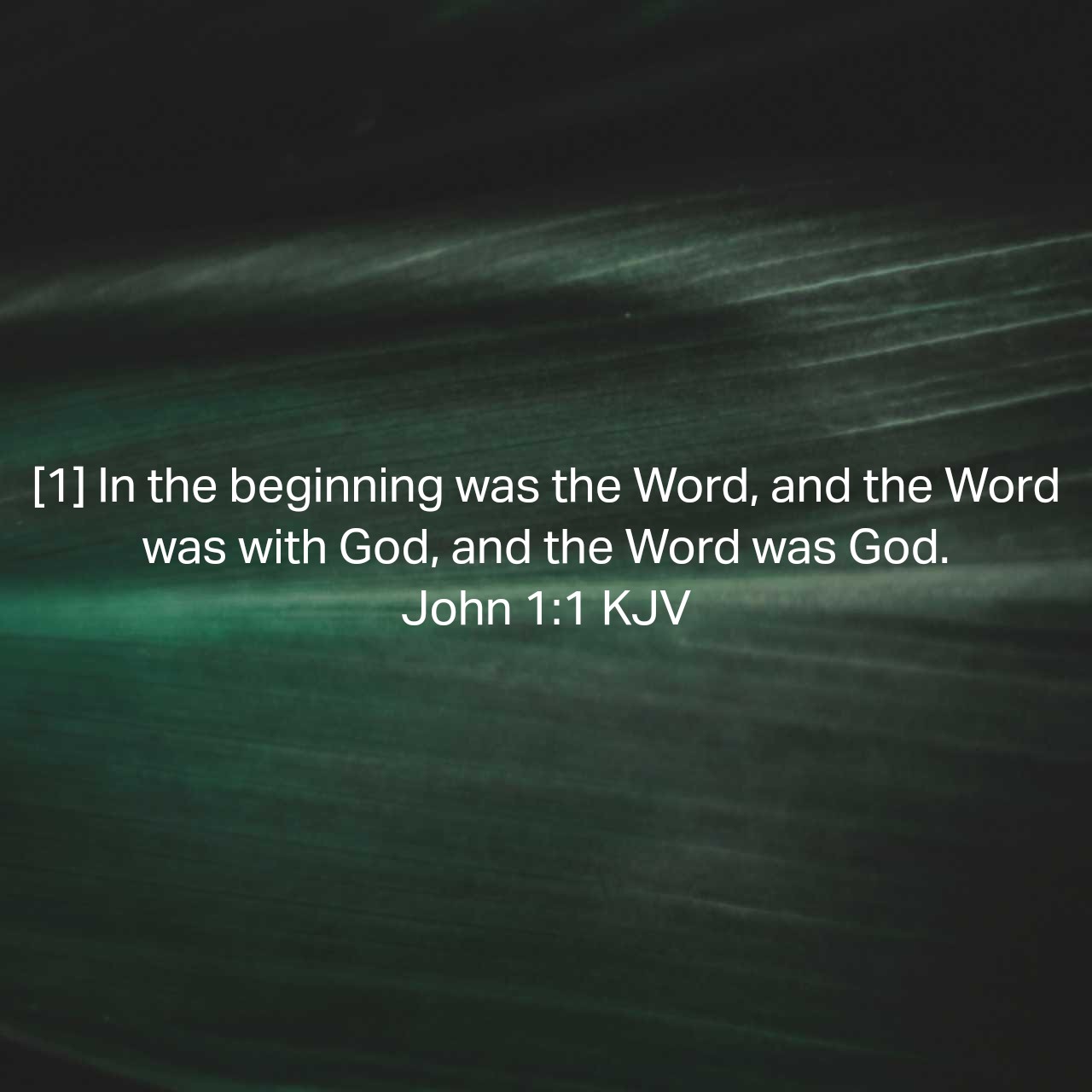
John 1:1 (KJV)

“In the beginning was the Word, and the Word was with God, and the Word was God.” Read more here. Introduction John 1:1 opens the Gospel of John, introducing the profound theological concept of “the Word” (Logos) as both with God and being God from the very beginning. Interpretation This verse identifies the Word (Logos) … Read more
Etymology of the Word “Word”

Contextual Usage The word “word” in English comes from the Old English “word,” which is derived from the Proto-Germanic “wurdan,” and ultimately from the Proto-Indo-European root “wer-,” meaning “to speak” or “to say.” Historical Usage Modern Usage Across Disciplines Cultural Perspectives Word in Modern Context Today, “word” is essential in various fields, symbolizing the fundamental … Read more

Etymology of the Word “Mage”

Contextual Usage The word “mage” comes from the Latin “magus,” which itself is derived from the Greek “magos,” referring to the Zoroastrian priests of ancient Persia. The term “magos” is linked to the Old Persian “maguš,” meaning “magician” or “wise man.” Historical Usage Modern Usage Across Disciplines Cultural Perspectives Mage in Modern Context Today, “mage” … Read more

Etymology of the Word “Cryptography”

Contextual Usage “Cryptography” is derived from the Greek words “kryptós,” meaning “hidden,” and “graphein,” meaning “to write.” Thus, cryptography refers to the practice of writing or communicating in ways designed to hide the content of the communication. Historical Usage Modern Usage Across Disciplines Cultural Perspectives Cryptography in Modern Context Today, cryptography is a vital field … Read more

Etymology of the Word “God”

Contextual Usage The word “God” in English comes from the Old English word “god,” which is derived from the Proto-Germanic “*gudan.” This term has been used to refer to a supreme being or deity in various religious contexts. Historical Usage Modern Usage Across Disciplines Cultural Perspectives God in Modern Context Today, the word “God” continues … Read more

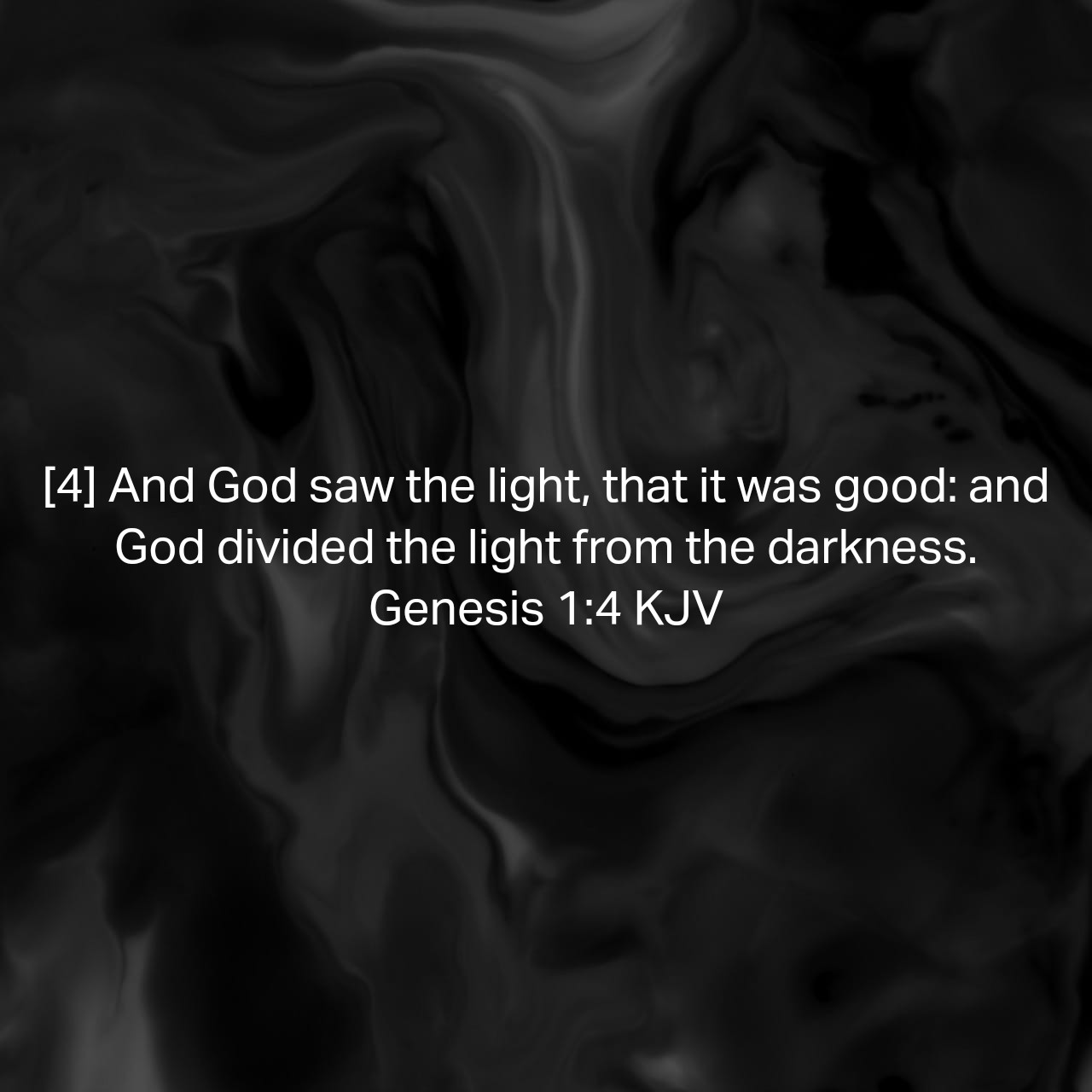
Genesis 1:4 (KJV)

“And God saw the light, that it was good: and God divided the light from the darkness.” Read more here. Introduction Genesis 1:4 continues the creation narrative, describing God’s evaluation and separation of light from darkness. Interpretation This verse indicates God’s approval of the light He created, deeming it “good.” It also signifies the establishment … Read more

Etymology of the Word “Omniscience”

Contextual Usage “Omniscience” derives from the Latin “omnis,” meaning “all,” and “scientia,” meaning “knowledge.” The term was first used in English in the early 17th century to describe the attribute of possessing complete or unlimited knowledge. Historical Usage Modern Usage Across Disciplines Cultural Perspectives Omniscience in Modern Context Today, “omniscience” is used to describe complete … Read more

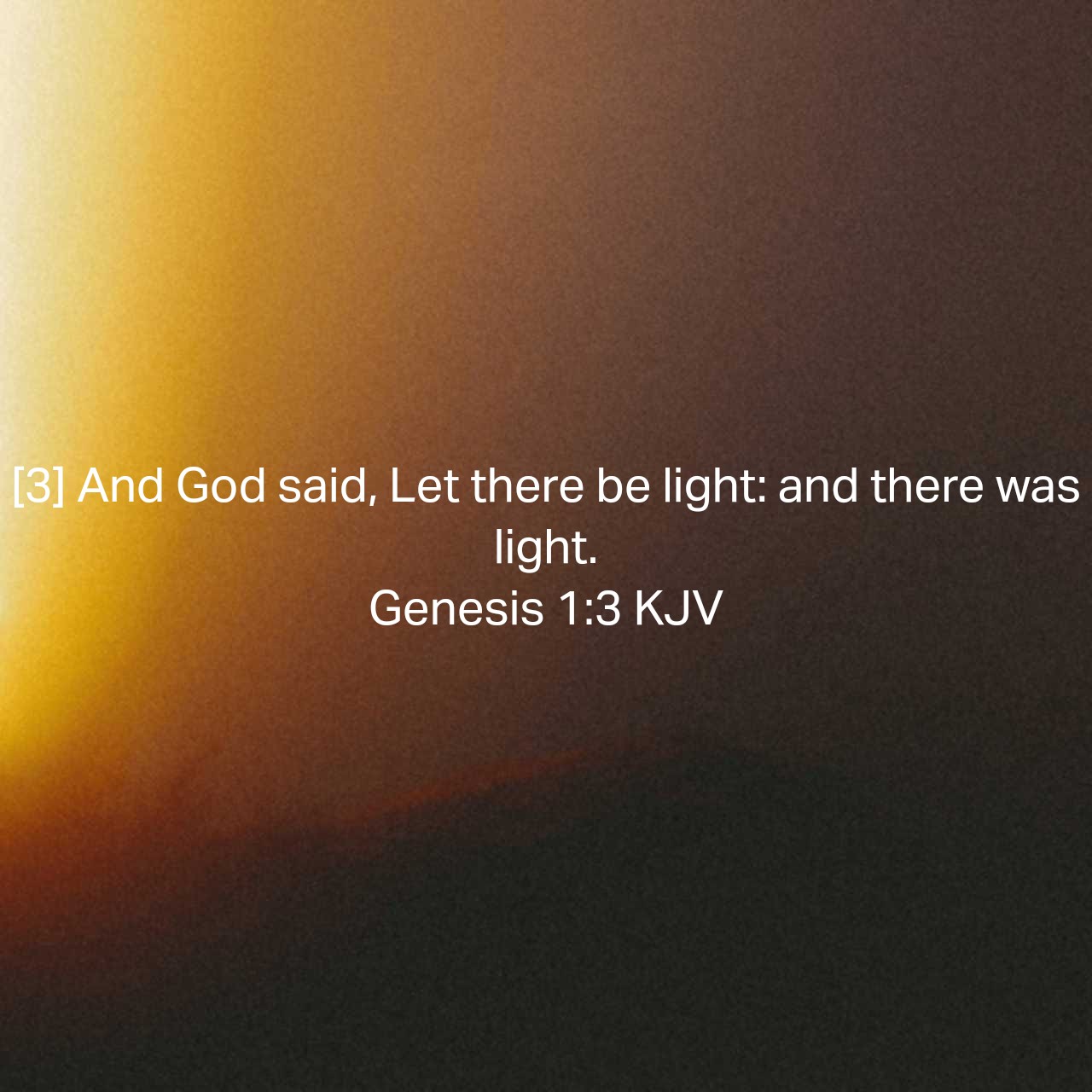
Genesis 1:3 (KJV)

“And God said, Let there be light: and there was light.” Read more here. Introduction Genesis 1:3 marks a pivotal moment in the biblical creation narrative, where God initiates the creation of light, bringing illumination into the previously dark and formless world. Interpretation This verse highlights God’s creative power through His spoken word. The command, … Read more

Etymology of the Word “Science”

Contextual Usage The word “science” comes from the Latin word “scientia,” meaning knowledge. The Latin term itself is derived from “scire,” meaning to know. This term began to be widely used in the English language around the 14th century, particularly in the context of knowledge obtained through study and practice. Historical Usage Modern Usage Across … Read more

Etymology of the Word “Genesis”

Contextual Usage “Genesis” comes from the Greek word “γένεσις” (genesis), meaning “origin” or “creation.” This term was used in the Septuagint, the Greek translation of the Hebrew Bible, to name the first book, which recounts the creation of the world. The Hebrew equivalent is “בְּרֵאשִׁית” (Bereshit), meaning “in the beginning.” Historical Usage Modern Usage Across … Read more