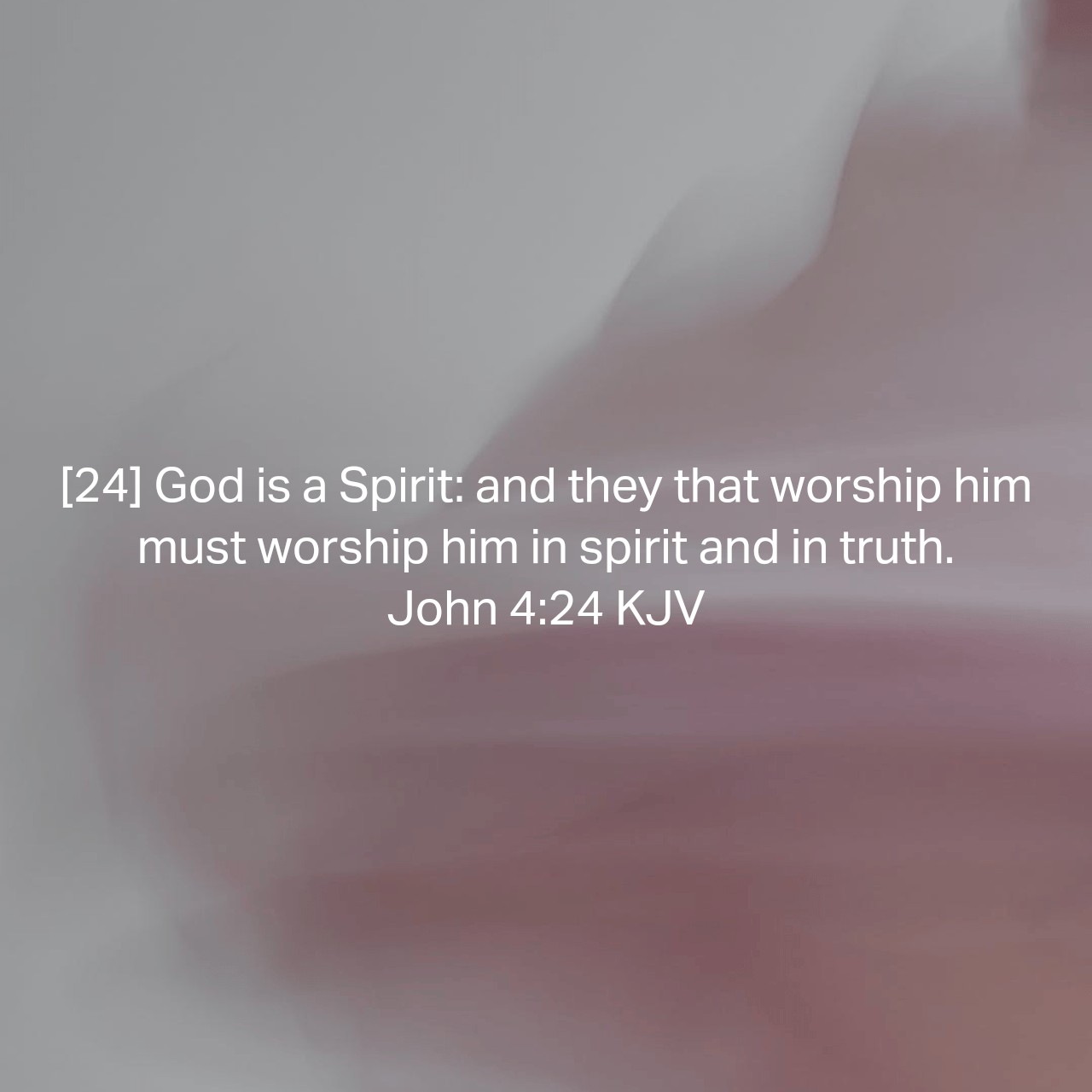
John 4:24 (KJV)

“God is a Spirit: and they that worship him must worship him in spirit and in truth.” Read more here. Introduction John 4:24 highlights the nature of God as Spirit and the essential manner in which He must be worshiped. Interpretation This verse underscores the spiritual nature of God, emphasizing that true worship must be … Read more
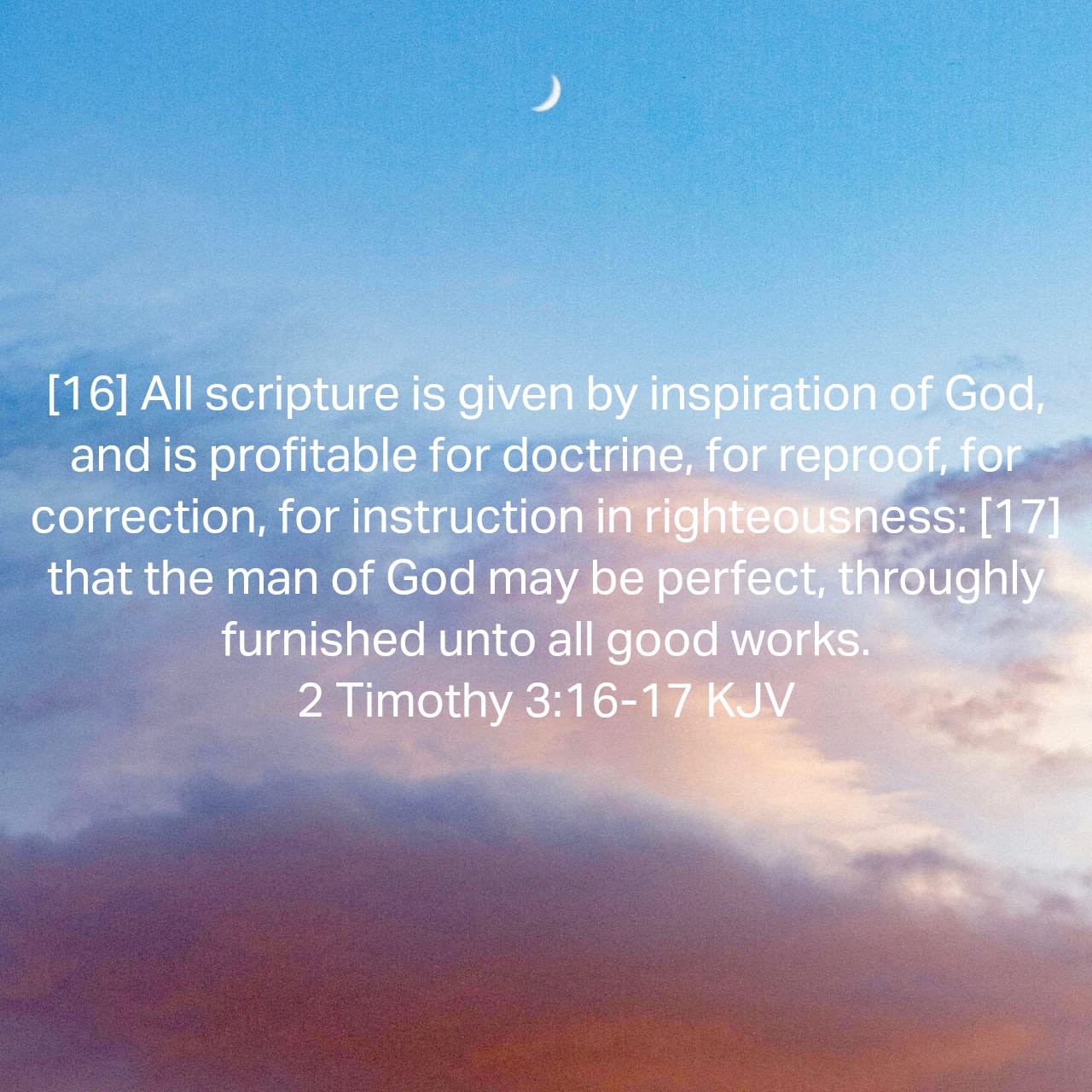

2 Timothy 3:16-17 (KJV)

“[16] All scripture is given by inspiration of God, and is profitable for doctrine, for reproof, for correction, for instruction in righteousness: [17] That the man of God may be perfect, throughly furnished unto all good works.” Read more here. Introduction 2 Timothy 3:16-17 underscores the divine inspiration of Scripture and its comprehensive usefulness for … Read more

Proverbs 1:7 (KJV)

“The fear of the LORD is the beginning of knowledge: but fools despise wisdom and instruction.” Read more here. Introduction Proverbs 1:7 highlights the foundational principle that reverence for the Lord is the starting point of true knowledge. It contrasts the wise, who seek understanding, with fools, who reject wisdom and instruction. Interpretation This verse … Read more

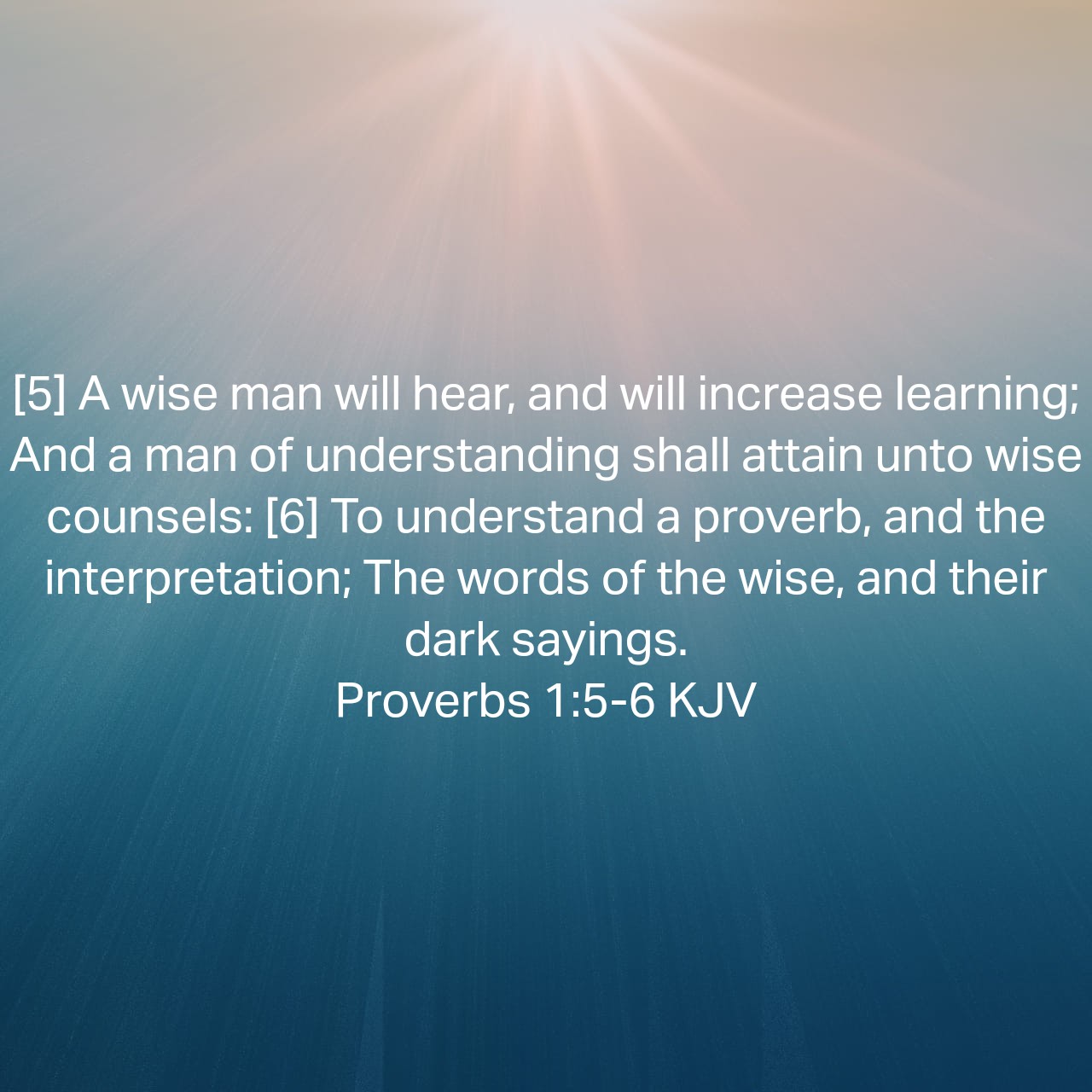
Proverbs 1:5-6 (KJV)

“[5] A wise man will hear, and will increase learning; and a man of understanding shall attain unto wise counsels: [6] To understand a proverb, and the interpretation; the words of the wise, and their dark sayings.” Read more here. Introduction Proverbs 1:5-6 emphasizes the value of wisdom and understanding, highlighting the importance of learning … Read more

Etymology of the Word “Understanding”

Contextual Usage The word “understanding” comes from the Old English “understandan,” which means “to comprehend” or “to grasp the idea of.” It combines “under,” used in the sense of “among” or “between,” and “standan,” meaning “to stand.” Thus, “understanding” originally conveyed the idea of standing in the midst of or among something to grasp its … Read more

Etymology of the Word “Knowledge”

Contextual Usage The word “knowledge” in English derives from the Old English “cnāwan,” meaning “to know,” combined with the suffix “-leċe” or “-leċ,” which indicates an abstract noun. Its roots trace back to the Proto-Germanic “knew-” and the Proto-Indo-European root “ǵneh₃-,” which also means “to know.” Historical Usage Modern Usage Across Disciplines Cultural Perspectives Knowledge … Read more

Etymology of the Word “Wisdom”

Contextual Usage The word “wisdom” in English derives from the Old English “wīsdōm,” which is a compound of “wīs” (wise) and the suffix “-dōm” (state or condition). It is rooted in the Proto-Germanic “*wis-” meaning “to know.” Historical Usage Modern Usage Across Disciplines Cultural Perspectives Wisdom in Modern Context Today, “wisdom” encompasses not just knowledge … Read more

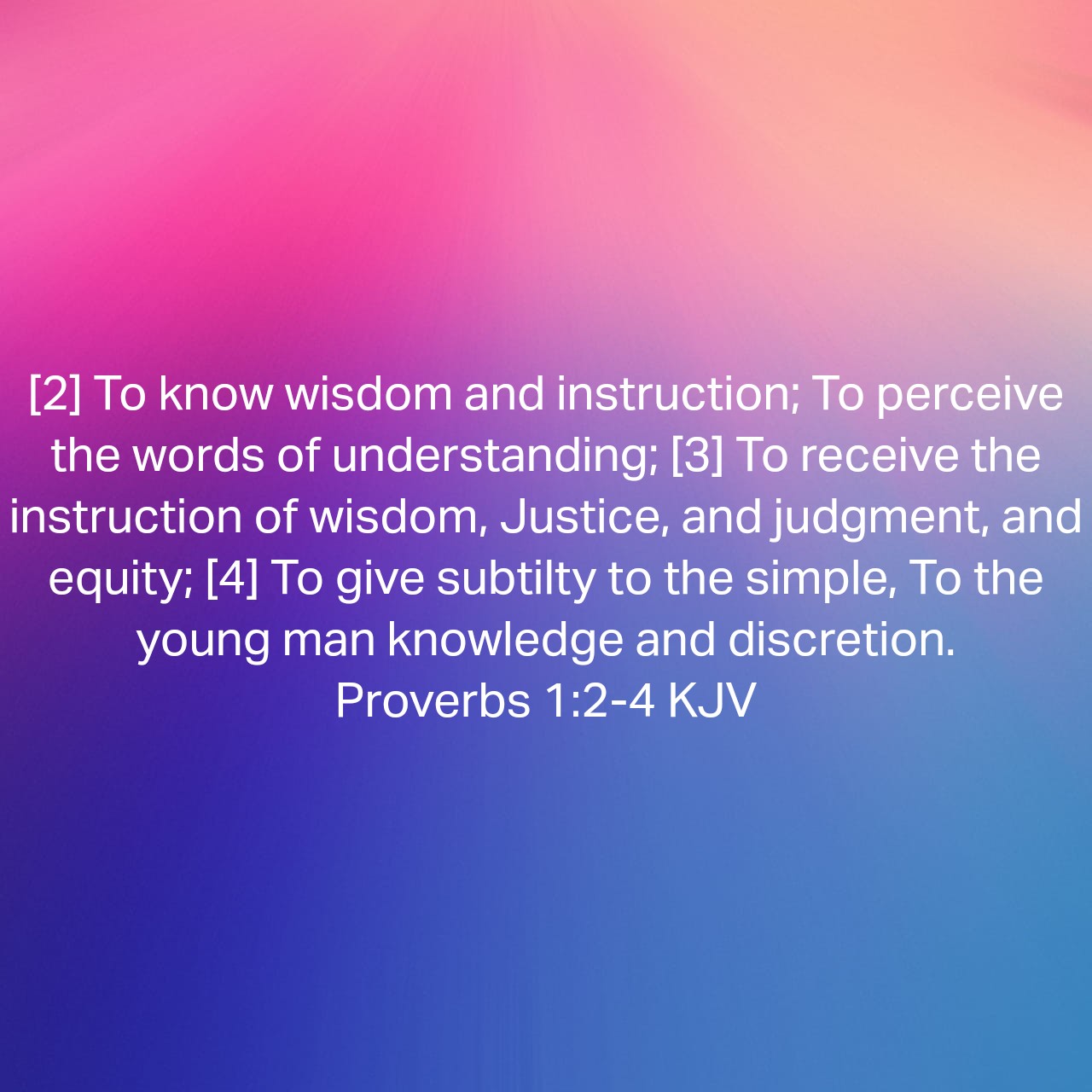
Proverbs 1:2-4 (KJV)

“[2] To know wisdom and instruction; to perceive the words of understanding; [3] To receive the instruction of wisdom, justice, and judgment, and equity; [4] To give subtilty to the simple, to the young man knowledge and discretion.” Read more here. Introduction Proverbs 1:2-4 introduces the purpose of the Book of Proverbs, outlining its goals … Read more

John 1:2 (KJV)

“The same was in the beginning with God.” Read more here. Introduction John 1:2 reiterates the pre-existence and eternal nature of the Word (Logos), emphasizing its integral relationship with God from the beginning. Interpretation This verse reinforces the concept that the Word was not only present at the creation but was also with God, indicating … Read more

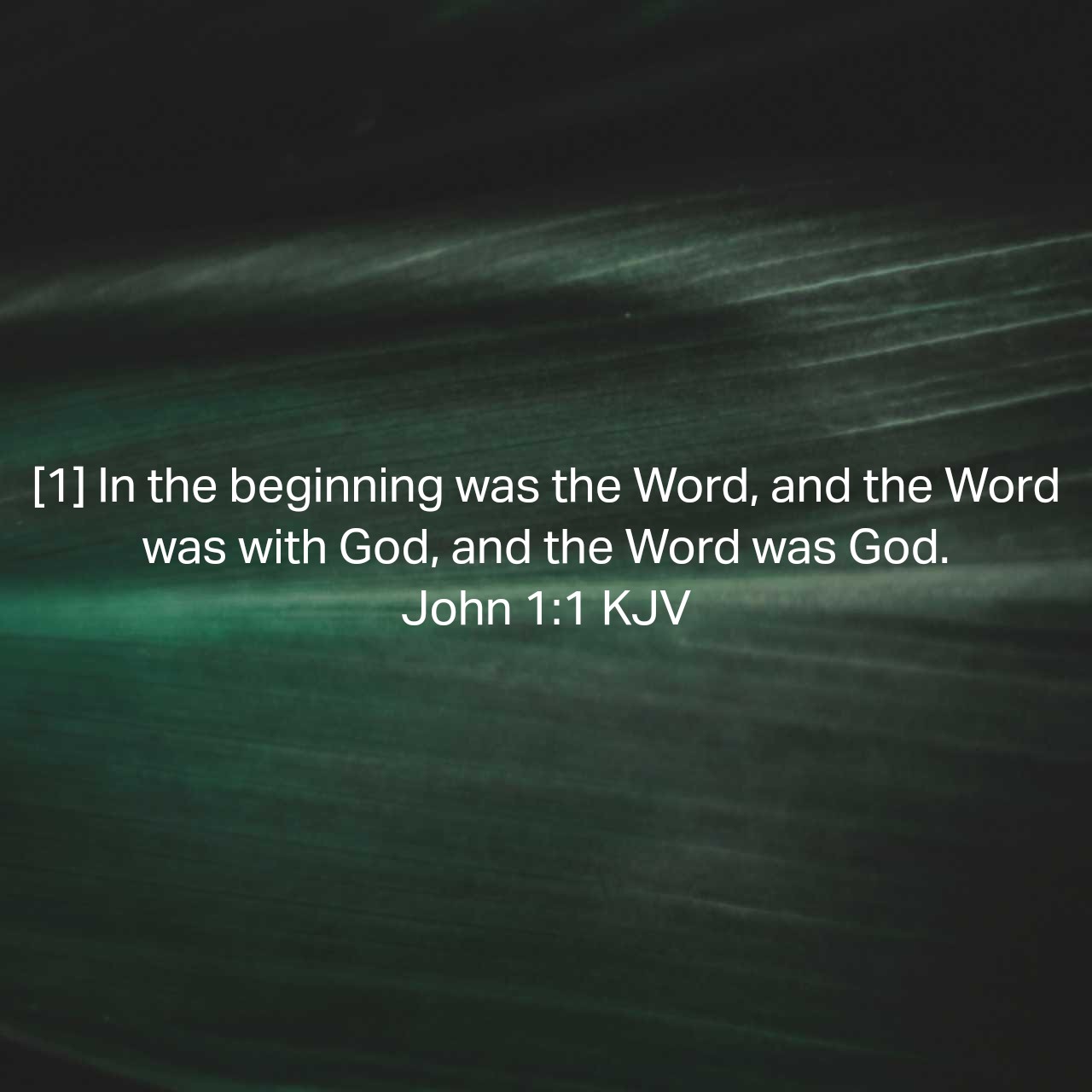
John 1:1 (KJV)

“In the beginning was the Word, and the Word was with God, and the Word was God.” Read more here. Introduction John 1:1 opens the Gospel of John, introducing the profound theological concept of “the Word” (Logos) as both with God and being God from the very beginning. Interpretation This verse identifies the Word (Logos) … Read more